
Read in Ukrainian
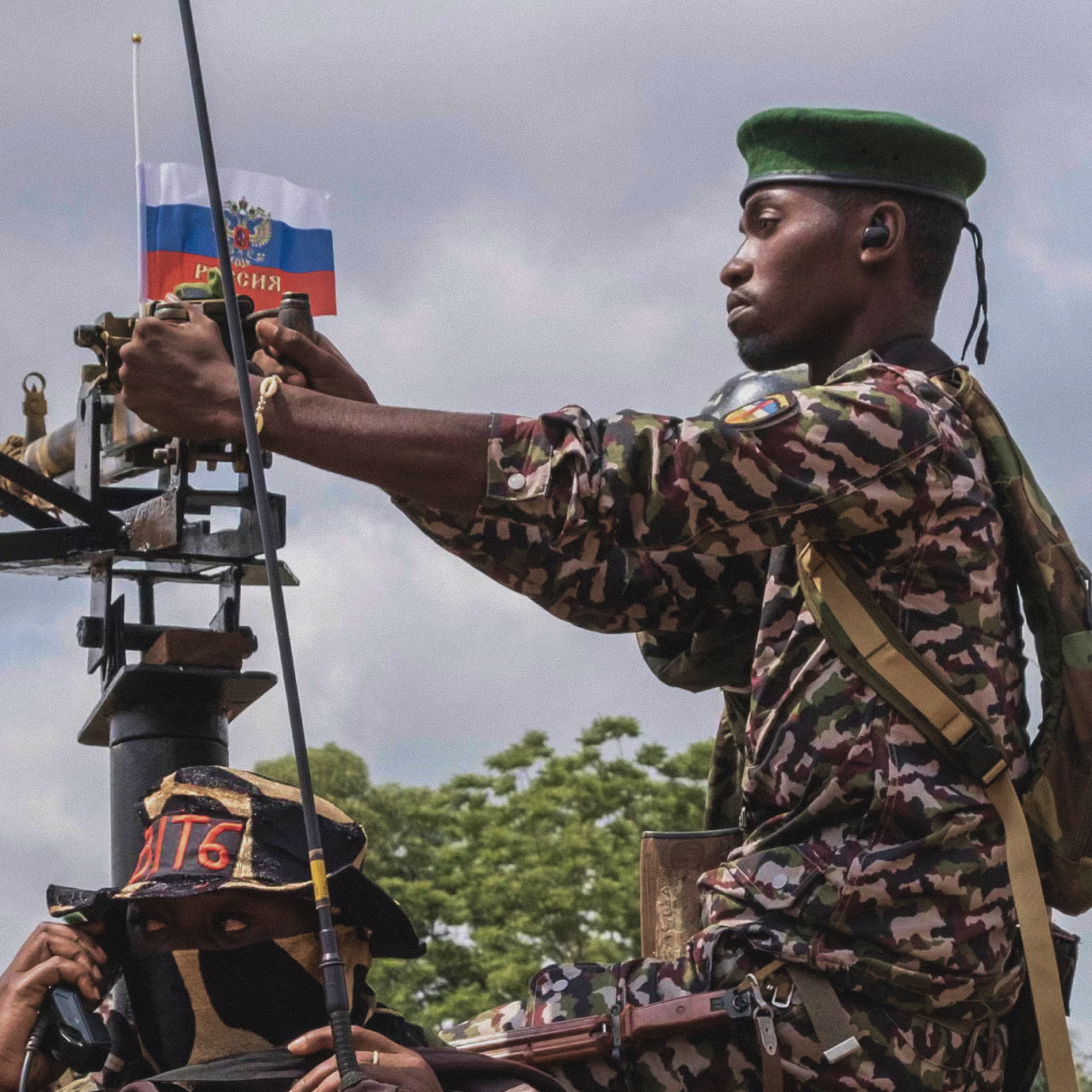
Recently Central African citizens operating within the association of the “12 Apostles” have instructed Larochelle Avocats to prepare the Submission with the Office of the Prosecutor of the ICC about crimes against humanity and war crimes committed in the Central African Republic (CAR) since 2018. Among those likely to be involved in these crimes are Russian mercenaries from the Wagner Group, who operated in the country under the guise of ‘instructors.’
Read in Ukrainian
Members of Larochelle Avocats interviewed 30 witnesses, including members of the FACA, the gendarmerie, former militiamen, senior Central African figures, victims and relatives of victims. Truth Hounds experts had the opportunity to join the investigation conducted by Larochelle Avocats and ACLED.
Truth Hounds’ investigators conducted an OSINT analysis based on witness testimonies. In particular, they verified references to alleged crimes (those mentioned by witnesses as well as reports of crimes identified independently) and their possible perpetrators, as well as publications on Telegram channels.
Since 2018, the members of the Touadéra regime have allegedly committed serious abuses as part of a widespread and systematic attack against the civilian population in accordance with a State policy, namely crimes against humanity under Article 7 of the ICC Statute.
The Touadéra regime has committed the following war crimes:
- Attacks on life and physical integrity, including murder in all its forms, mutilation, cruel treatment and torture;
- Attacks on human dignity, including humiliating and degrading treatment;
- Intentionally directing attacks against the civilian population as such or against civilians not taking direct part in hostilities;
- Intentionally directing attacks against buildings dedicated to religion, education, art, science or charitable purposes, historic monuments, hospitals and places where the sick and wounded are collected, provided that these buildings are not military objectives;
- The pillaging of a town or village;
- Rape.
We are grateful to our colleagues for the chance to participate in this important work. We look forward to future collaborations to further strengthen accountability and support independent research.